
A shared goal can still have real tension
Cooperative does not mean there is no way to lose. An approaching sunrise, an escaping fox, a sinking island or a running timer can put pressure on the whole team. A child who dislikes competing with a sibling might enjoy a shared challenge; a child who dislikes suspense may still prefer something calmer.
Look at what creates the pressure before choosing. Is it a timed round, an opponent that advances through card draws, or a board that becomes harder to manage? The answer often matters more than whether the box says “cooperative.”
Start with the youngest player’s part in the game
Hoot Owl Hoot! is a fifteen-minute color-matching choice with publisher guidance beginning at four. Players help the owls reach their nest before sunrise. Starting with fewer owls gives the family a simpler version within the game’s own rules; recognizing the board colors still matters.
Race to the Treasure! begins at five and asks players to build a route, collect keys and arrive before an ogre. An adult can help place the keys using the letter-and-number dice during setup. Outfoxed!, also beginning at five, introduces a clue decoder and eliminating suspects. Neither requires independent reading during play after the rules are explained.
Match the challenge to the group—not just the age
Math Rush: Addition & Subtraction is a different kind of team game. Its publisher guidance starts at eight, but arithmetic fluency and comfort with a timer are especially relevant. Players arrange equation cards to complete shared goals in timed rounds. It may be a good fit for children who enjoy brisk number work; it is less suitable when somebody is still carefully counting each answer.
Forbidden Island, listed by Gamewright for ages ten and up, adds roles, special actions and a changing board. The table plans together as locations flood. Allow time to teach the systems, and be ready to help read cards. A shared loss is possible, so choose it when the group wants an adventure with some tension.
Help without taking over
In a mixed-age group, the most experienced person can easily become the person making every decision. Give an explanation, then leave space. Try asking, “What do you notice?” or “Which move would you like to try?” before offering a plan. Let the player whose turn it is have a meaningful voice.
Adults can handle reading, explain a symbol or help keep track of a rule. Older siblings can demonstrate the decoder or summarize two possible routes. That support is different from announcing the best move each turn. The aim is a shared game in which everyone gets to participate, not a perfect score directed by one person.
Choose standard cooperative play first
The five games below are cooperative in their standard rules. Building words together in Bananagrams or taking turns finding Spot It! matches can also be enjoyable, but those are family variations of competitive games. Keep that distinction clear when comparing options.
Use the cooperative filter, then narrow by the youngest player’s age, available time and reading needed. A favorite-based suggestion can point toward something unfamiliar, but read its “What changes” note: a similar puzzle may have a different pace or competitive structure.
Find your family’s fit
Explore the matched edition and its details on our shelf. Check current price, seller and availability before buying.
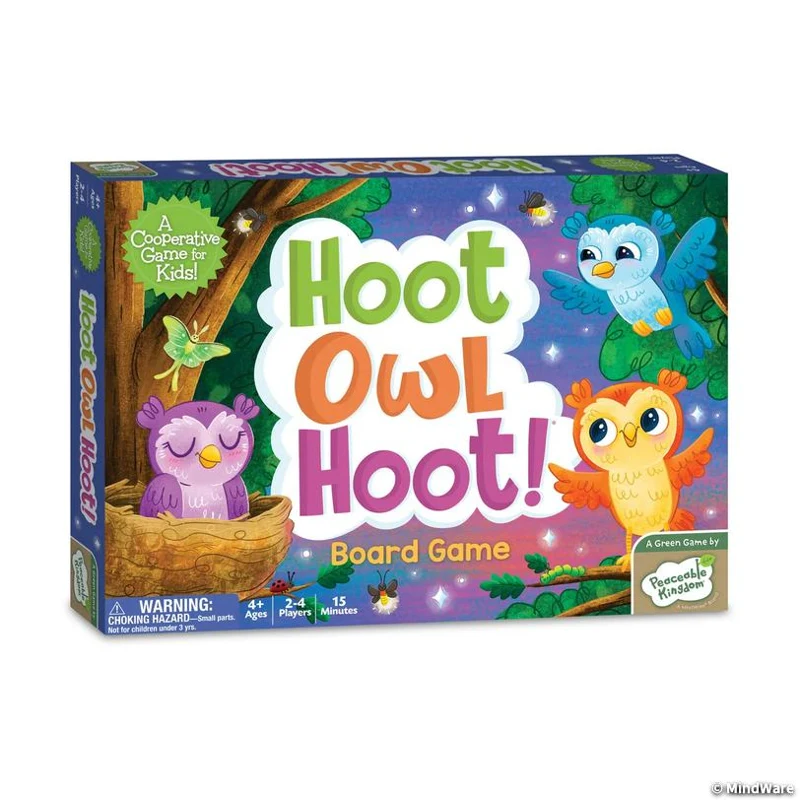
Hoot Owl Hoot!
Peaceable Kingdom
A shared color-matching journey with adjustable owl numbers.
Consider: Players share the outcome, and recognizing colors is important.
See details →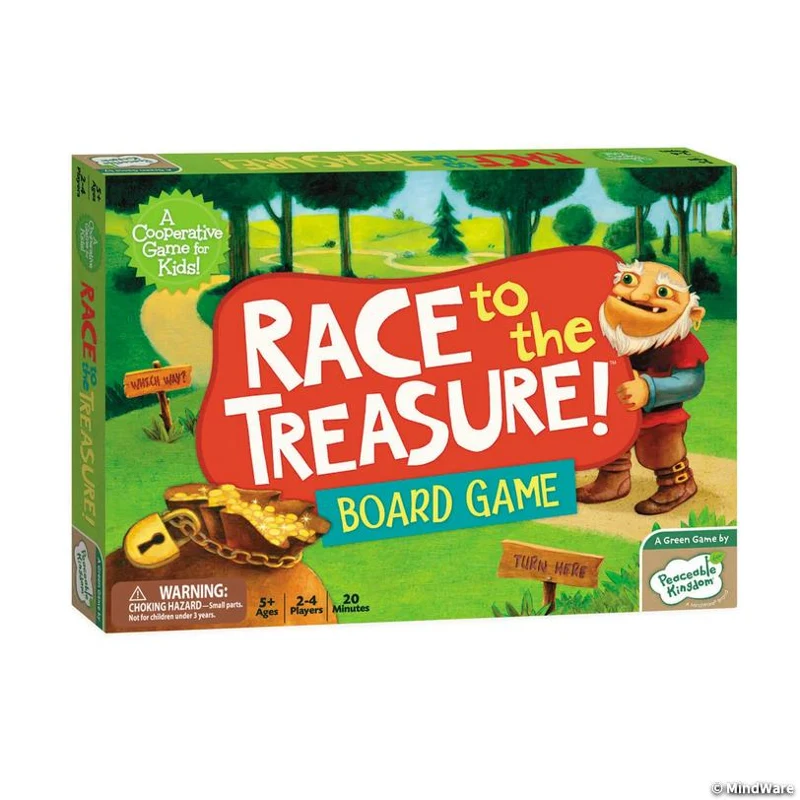
Race to the Treasure!
Peaceable Kingdom
Build a path together and compare routes toward the keys.
Consider: Allow for setup, including placing keys with the coordinate dice.
See details →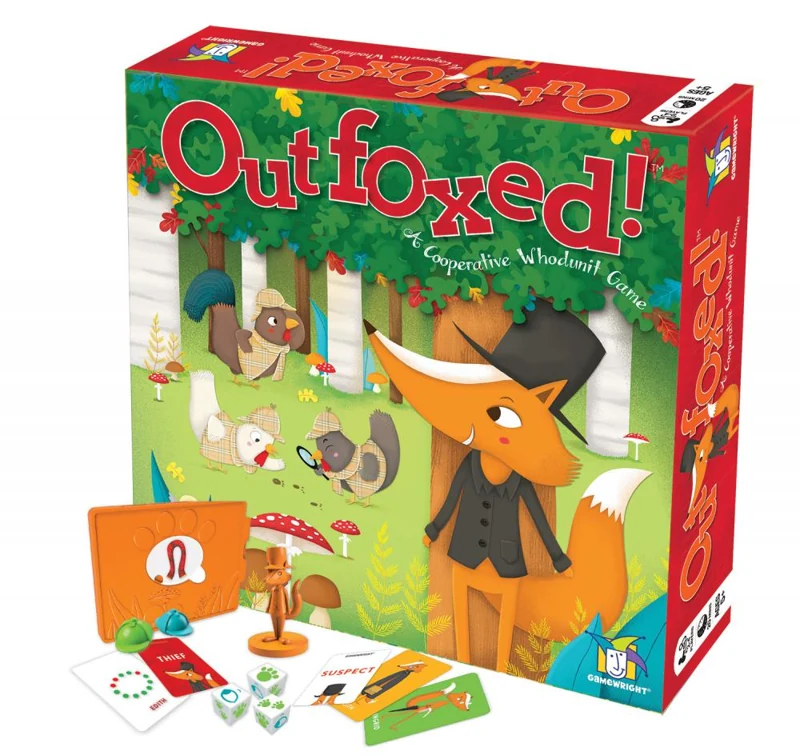
Outfoxed!
Gamewright
Solve a picture-based mystery by gathering clues and ruling out suspects.
Consider: Teach the decoder first; the approaching fox adds suspense.
See details →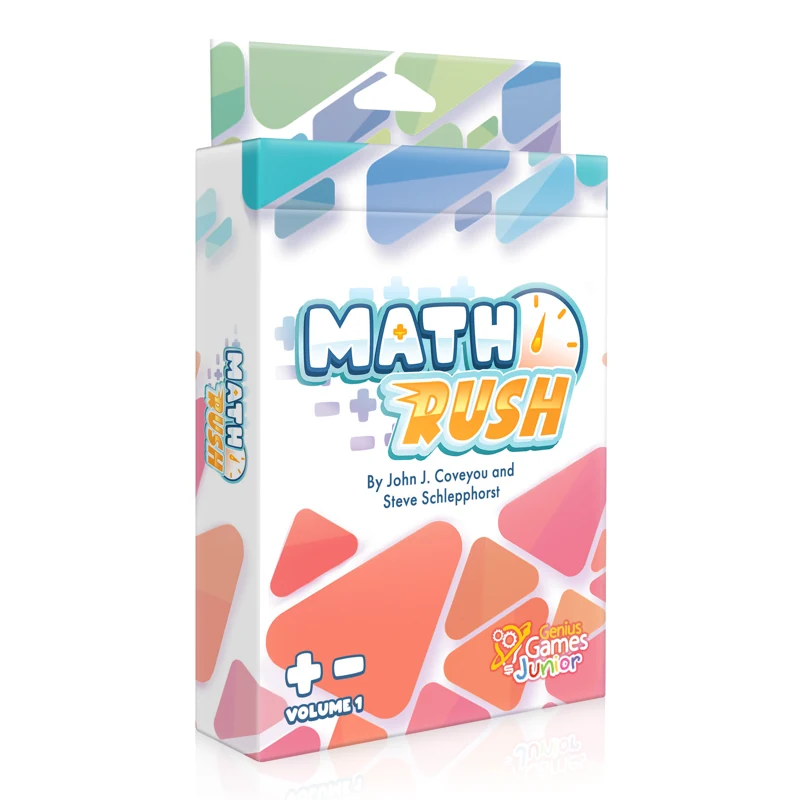
Math Rush: Addition & Subtraction
Genius Games
A quick shared arithmetic challenge for players who enjoy thinking on their feet.
Consider: Addition and subtraction fluency matter; the timer adds pressure.
See details →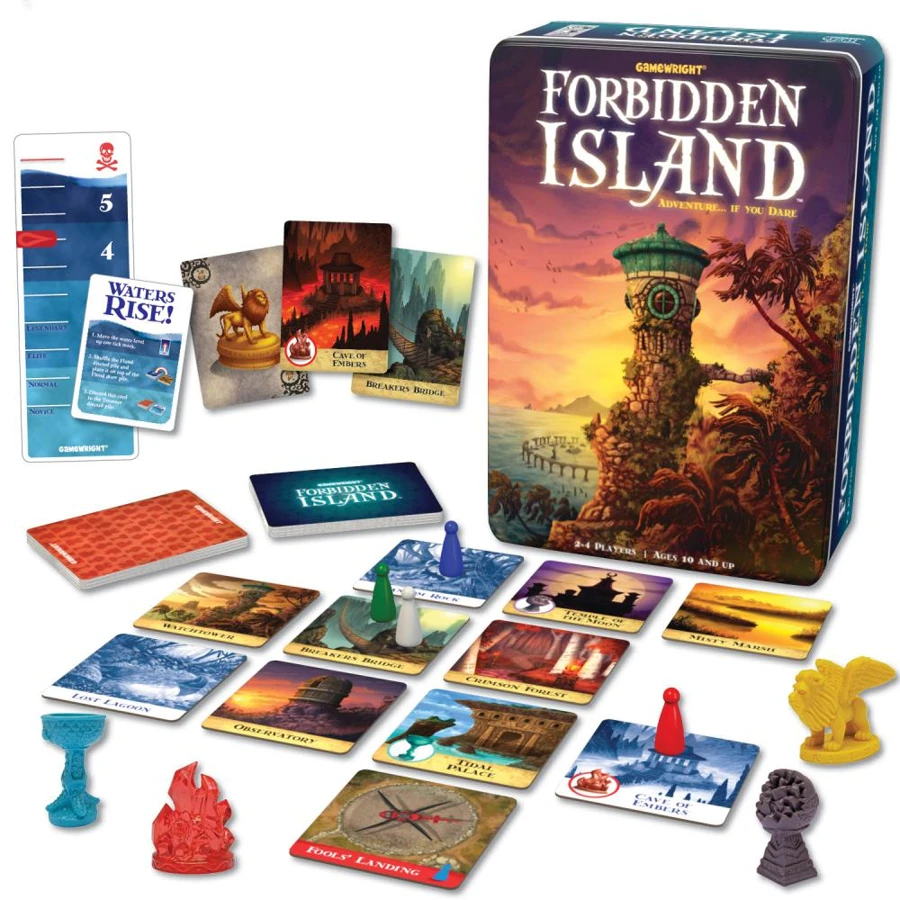
Forbidden Island
Gamewright
A longer step into shared planning, roles and changing priorities.
Consider: Expect some reading, more rules and the possibility that the island sinks.
See details →Common questions
Can players lose a cooperative game?
Yes. These games have shared losing conditions. Check whether your family is comfortable with suspense, timers or setbacks before choosing.
Which choices support children who are not reading independently?
Hoot Owl Hoot!, Race to the Treasure! and Outfoxed! use pictures, colors or paths once taught. Adults can explain the rules and help interpret unfamiliar symbols.
Is changing a competitive game into a team game the same thing?
It can be a useful family variation, but it is not the standard cooperative format. Our cooperative filter identifies games designed for shared play in their published rules.
A useful next step
Explore cooperative family games →Sources & further reading
Our fit notes are editorial guidance. Reading preferences, comfort and family experience vary.