Check the words inside before choosing a set
Ask the teacher, tutor or program which sound–spelling patterns your child is practicing. Then open a sample. Short words are not automatically simple: “ship” asks for a different pattern from “sat.” Choose text with familiar patterns and deliberate support for unfamiliar words.
A decodable book matches a text to the learner’s instruction; a level or age alone cannot establish fit. The Institute of Education Sciences recommends teaching decoding and regular practice with connected text. Readers support explicit teaching rather than replacing it.
Bob Books: small books for first blending practice
Bob Books Set 1: Beginning Readers offers twelve small books with limited text. Its opening book begins with M, A, T and S; letters are introduced gradually. Consider it when your child is blending a small collection of known sounds.
Check later books too. More Beginning Readers supplies practice alongside Set 1. If your child needs more stories with familiar patterns, that may be a better purchase than a harder box.
Primary Phonics: choose the storybooks, not the wrong component
Primary Phonics pairs skills-based materials with controlled storybooks. Set 1 supplies short-vowel practice; additional practice sets and later levels serve different purposes. Publisher samples and the phonic elements listed inside storybook covers help you compare the text with what has been taught.
A storybook set, workbook, comprehension workbook and teacher’s guide are different purchases. To buy books your child can read, check the title list and storybook count. Start with one suitable set rather than assuming a complete kit is necessary.
All About Reading: readers connected to a lesson sequence
All About Reading is worth comparing if you want readers used within a broader teaching program. Run, Bug, Run! is a collection of short stories and a core reader in Level 1. The full level also includes teaching and student materials; an individual reader is not the complete program.
If you use All About Reading, follow its lesson-to-story order. Otherwise, compare the reader sample with your own sequence before buying; the publisher’s Level 1 overview and placement information can help. This external publisher option is not currently represented by a Library card.
Usborne: distinguish shared rhyming stories from controlled practice
Usborne Phonics Readers, including Fat Cat on a Mat, offer comic, rhyming stories to share. Their wordplay does not make the collection interchangeable with a controlled sequence matched to lessons. An adult can read unfamiliar patterns.
Usborne Very First Reading is another range, with early books designed for adult and child to take turns. Pirate Pat is an example. My First Reading Library and My First Phonics Reading Library are also different collections. Check the contents instead of choosing by a nearly identical box name.
A simple buying order
Identify current patterns, read a sample, then choose one suitable set or reader. Keep a richer read-aloud or rhyming story alongside it. Buy the next stage when you know what practice is needed, rather than because a bundle looks better value.
Give the child time to work through the letters. Help with an unfamiliar pattern, then reread for meaning. Pictures support discussing a story, but should not be the main way to guess a printed word. Familiar books can be worth revisiting.
Before adding to your cart
Check edition, language, book count and whether the listing is a single title, a set or a curriculum package. Compare the exact same item at the publisher or a reputable bookseller before accepting an unusually expensive marketplace offer. Prices and sellers change; recheck the current offer before buying.
Find your family’s fit
Explore the matched edition and its details on our shelf. Check current price, seller and availability before buying.
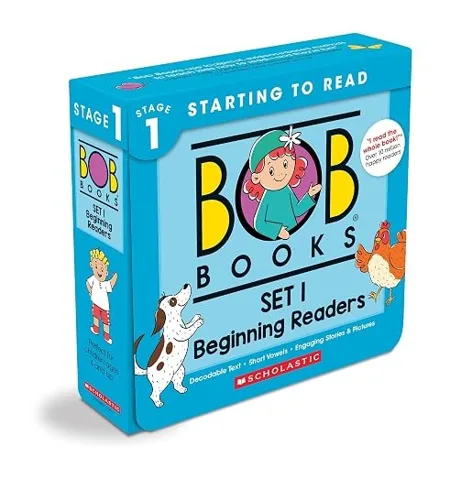
Bob Books Set 1: Beginning Readers
Bobby Lynn Maslen
A twelve-book starting set for children practicing early blending with a limited group of sounds.
Consider: Match the letters and words in each book to instruction; Set 1 is not a full teaching program.
See details →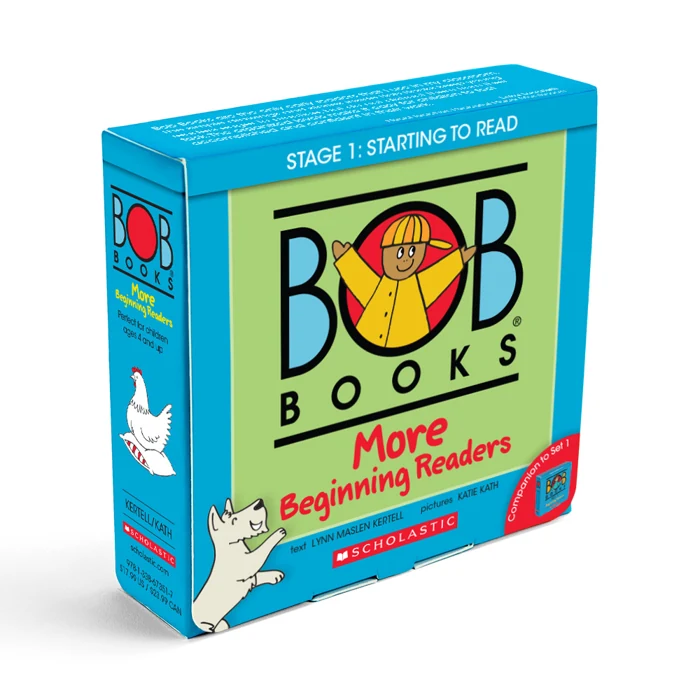
Bob Books: More Beginning Readers
Lynn Maslen Kertell
Additional short-word stories when a reader needs variety alongside Bob Books Set 1.
Consider: Extra practice at a similar stage, rather than the next difficulty level.
See details →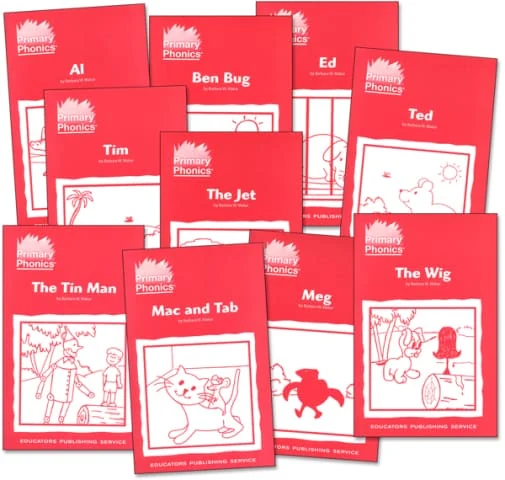
Primary Phonics Storybooks Set 1
Barbara W. Makar
Ten controlled short-vowel storybooks, beginning with Mac and Tab.
Consider: Check that you are buying the storybooks; workbooks and teacher materials are separate products.
See details →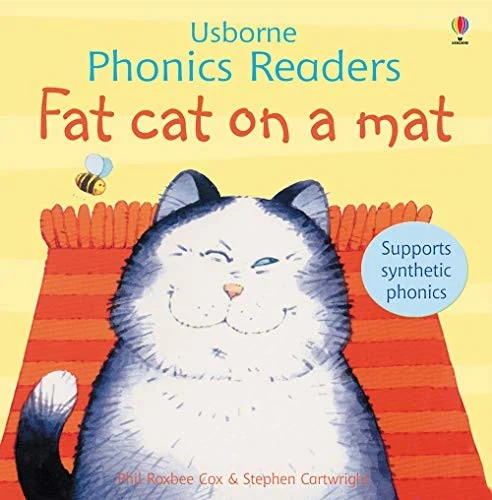
Fat Cat on a Mat
Phil Roxbee Cox
A playful rhyming story for adult-and-child reading alongside structured decoding practice.
Consider: Do not assume every word fits the child’s current phonics sequence; provide adult help.
See details →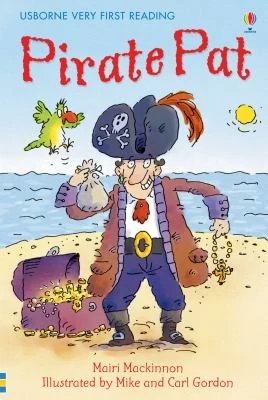
Pirate Pat
Mairi Mackinnon
An early Very First Reading title designed for adult and child to take turns.
Consider: Shared reading is different from expecting a child to read all the text independently.
See details →Common questions
Do all books labeled phonics work in the same order?
No. Compare the sample text and listed patterns with your child’s instruction. Publishers use different sequences, and some phonics-branded books are intended for shared reading.
Should I buy a boxed set or single books?
Choose a set when its contents match the practice you need. A sample or single book can help you check fit first. Confirm what is included before comparing prices.
Are sight-word books the same as decodable readers?
No. A sight-word label does not show which sound–spelling patterns the story contains. Check the actual text and plan how unfamiliar or irregular words will be taught or supported.
A useful next step
Explore the Library →Sources & further reading
- IES: Foundational Skills practice guide
- Bob Books: Set 1 contents and letter progression
- Bob Books: additional sets and practice options
- EPS Learning: Primary Phonics and samples
- All About Learning Press: All About Reading Level 1
- All About Learning Press: Run, Bug, Run! reader and sample
- Usborne: phonics stories and reading libraries
- Usborne: Very First Reading—how shared reading works
Our fit notes are editorial guidance. Reading preferences, comfort and family experience vary.